
Case Study: Successful Event Security Management in Turlock

Introduction to Event Security Management
Organizing a successful event requires meticulous planning, especially when it comes to security. With the increasing importance of ensuring safety at public gatherings, effective security management can make or break an event. This case study explores how a recent event in Turlock achieved remarkable success through exemplary security management.
Understanding the Event's Needs
The event in Turlock was a large-scale community festival that drew thousands of attendees. The primary focus was on creating a safe and enjoyable environment for everyone. Key considerations included crowd control, emergency response, and communication strategies.
Before the event, organizers conducted a thorough risk assessment. This involved identifying potential threats and vulnerabilities, which informed the development of a comprehensive security plan. The assessment was crucial in tailoring security measures to the event's unique needs.
Collaborative Planning
One of the standout aspects of the Turlock event was the collaboration between various stakeholders. Event organizers worked closely with local law enforcement, private security firms, and emergency services. This collaborative approach ensured that all aspects of security were covered.

Implementation of Security Measures
On the day of the event, a multi-layered security strategy was deployed. This included a combination of physical barriers, surveillance systems, and on-ground personnel. Security checkpoints were strategically placed to manage entry and exit points effectively.
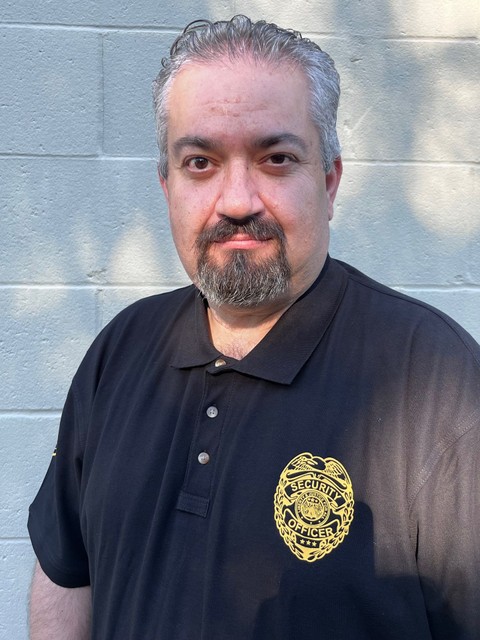
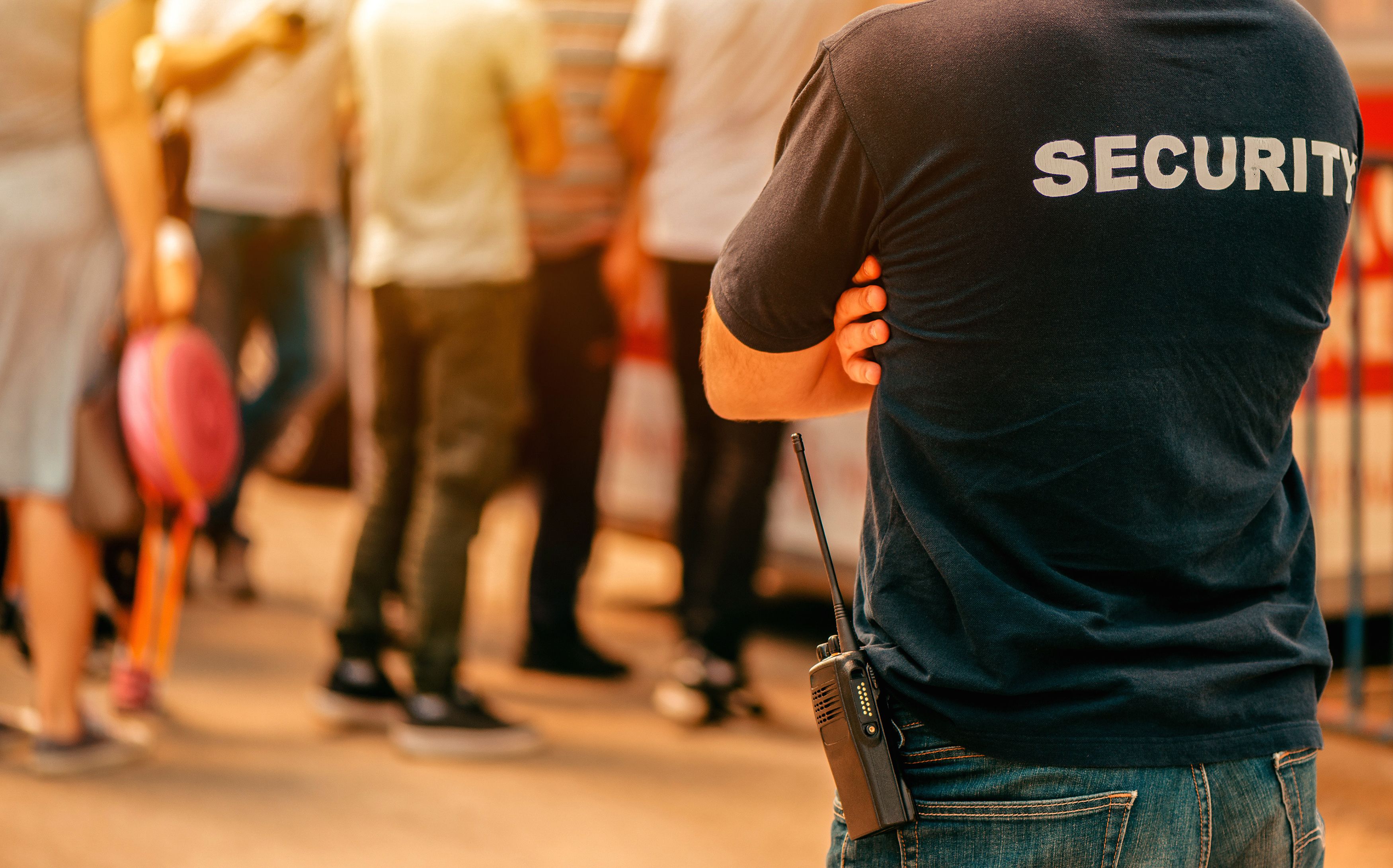
Moreover, a team of trained security personnel was stationed at key locations throughout the venue. Their presence not only deterred potential threats but also provided attendees with a sense of safety and reassurance.
Technology Integration
To enhance security, the event incorporated advanced technology solutions. Surveillance cameras with real-time monitoring capabilities were installed, allowing for quick identification and response to any suspicious activities. Additionally, communication devices ensured seamless coordination among security teams.

Effective Communication Strategies
Communication played a vital role in the success of the event. Organizers implemented clear communication channels for both security personnel and attendees. Information booths and digital signboards were used to update attendees on event schedules and safety protocols.
Furthermore, security staff were equipped with radios and mobile apps to communicate swiftly. This enabled them to respond promptly to any incidents or emergencies, minimizing potential disruptions.
Post-Event Evaluation
After the event, a comprehensive evaluation was conducted to assess the effectiveness of the security measures. Feedback was gathered from attendees, staff, and stakeholders to identify areas of improvement. This evaluation will serve as a valuable resource for future events in Turlock and beyond.
Conclusion
The successful management of the Turlock event is a testament to the importance of thorough planning and collaboration in event security. By understanding the event's needs, deploying effective measures, and leveraging technology, the organizers ensured a safe and memorable experience for all attendees.
This case study highlights best practices that can be emulated in other events, showcasing how a strategic approach to security can enhance both safety and attendee satisfaction.